

Introduction: The Heartbeat of Industrial Automation
If you’ve ever dealt with SCADA systems on the plant floor, you know they’re the heartbeat of industrial automation. They’re like the silent managers, overseeing processes, ensuring everything runs smoothly. Honestly, without SCADA systems, most modern plants would be in chaos.
SCADA systems monitor and control equipment in industries from power generation to food processing. They’re the reason you can get that cup of chai without a hitch because they ensure consistency and quality. I remember one late night, a SCADA system saved us during a production emergency. The whole line halted due to a faulty sensor reading, and operators were scratching their heads. But the SCADA system flagged the issue on the HMI, pinpointing the exact problem. Within minutes, we had it sorted, saving us hours of downtime.
These systems aren’t just about showing data; they provide the means to control and automate processes, making them indispensable in the industrial world.
What is SCADA? Breaking Down the Basics
SCADA, or Supervisory Control and Data Acquisition, is like the central nervous system of an industrial setup. It’s designed to collect data from various sensors and devices, process it, and allow operators to make informed decisions. You might’ve heard folks refer to SCADA as just the software part, but it’s much more than that.
The main components of SCADA systems include RTUs, PLCs, HMIs, and the communication backbone that ties them all together. Remote Terminal Units (RTUs) and Programmable Logic Controllers (PLCs) are the workhorses, gathering data from field devices. The Human-Machine Interface (HMI) is where the magic happens for operators, displaying data in an understandable format.
Sensors and actuators play a crucial role here. Sensors collect the raw data — think temperature, pressure, flow rates — while actuators execute control actions, like opening a valve or starting a motor. Without these, SCADA systems would be blind and powerless.
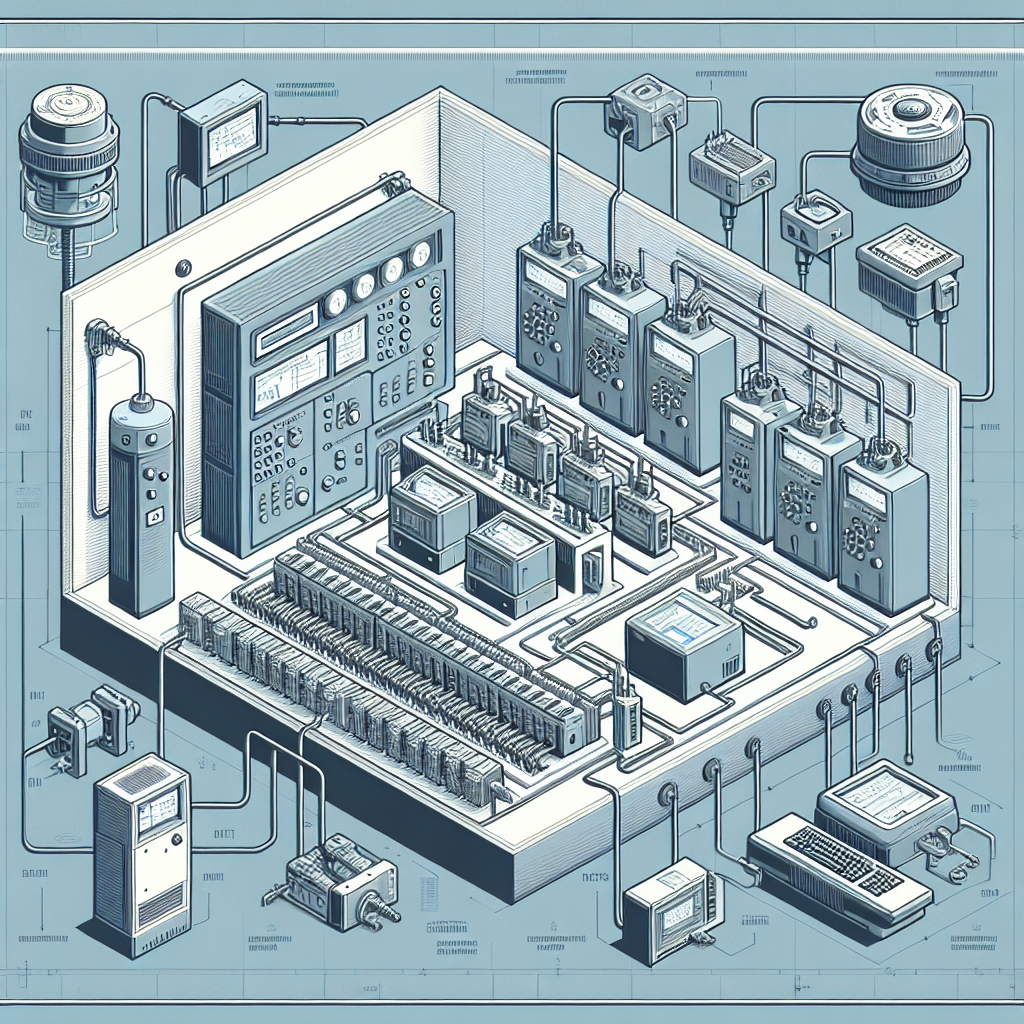
Here’s the thing: SCADA systems are all about data. They gather it, process it, visualize it, and allow for control actions. This ensures everything from safety to efficiency is maintained.
Now, let’s add some practical details. In my experience, choosing the right PLCs is crucial. For instance, Siemens S7-1200 is great for smaller applications, while the S7-1500 handles more complex processes. Similarly, Allen Bradley’s CompactLogix suits medium-sized setups, and ControlLogix is a powerhouse for large factories.
When you’re setting up, check the compatibility of your field devices with your chosen PLCs. Trust me, matching these up right from the start saves headaches later. And don’t forget about your HMIs. A well-designed interface can drastically improve operator efficiency, so invest time in making it intuitive.
How SCADA Systems Work: The Technical Journey
At the heart of SCADA systems is data collection. Field devices send data to RTUs and PLCs, which then relay this information to the central SCADA server. It’s like the postman delivering letters — accurate and timely delivery is crucial.
Once the data reaches the SCADA server, it gets processed and visualized for operators. This visualization is crucial. For example, graph trends can show a gradual increase in motor temperature, allowing preventative actions before failure occurs. SCADA systems also trigger alarms when variables exceed predefined thresholds, ensuring immediate attention.
You don’t want your SCADA system to be just a glorified data display. Configure it to send alerts via SMS or email. In my 15 years, I’ve seen this feature save many shifts from disaster. It’s like having an extra set of eyes watching over your processes.
Now, when it comes to control and feedback loops, SCADA systems really shine. Based on the analyzed data, control actions get initiated — like adjusting a valve to maintain pressure levels. This isn’t just automation; it’s intelligent decision-making to optimize processes.
From my experience, the real trick is having a SCADA system that’s tailored to your specific needs. Standard systems might work, but customizing them to your plant’s nuances makes them invaluable.
SCADA Communication Protocols: The Backbone of Connectivity
Communication protocols are the unsung heroes of SCADA systems. Without them, data wouldn’t flow, and systems would be isolated islands. Common protocols like Modbus, Profinet, and Ethernet/IP are the lifelines that ensure seamless data transmission between devices.
Modbus, for instance, is a staple in many plants due to its simplicity and effectiveness. Meanwhile, Profinet offers real-time data transfer, which is essential for time-sensitive operations. Each protocol has its strengths and use cases, so choosing the right one is key.
However, reliable communication isn’t just about choosing a protocol. It’s about ensuring system integrity. Inconsistent data can lead to poor decisions and downtime. I once spent a frustrating afternoon tracing a communication glitch, only to find a loose RJ45 connector was the culprit. These small issues can cause significant headaches.
Pro Tip: Always have a spare set of cables and connectors. Trust me, they’ll save you time and stress when troubleshooting network issues.
To add some more meat to the bones here, let’s talk settings. With Ethernet/IP, ensure your network settings match across all devices. A mismatch in IP addresses or subnet masks can halt communication. For Profinet, ensure your devices are correctly mapped in the network topology. It’s these details that make or break a system.
Communication challenges can be daunting, but with the right tools and mindset, they’re manageable. Keep your connections solid, and your SCADA system will serve you well.
SCADA Applications: Real-World Use Cases
SCADA systems are the backbone of automation across various industries. Let’s explore how they’re changing the game in manufacturing, utilities, energy, and water and waste management.
Manufacturing
In manufacturing, SCADA systems are indispensable. They monitor and control processes, ensuring everything runs smoothly and efficiently. Whether it’s automotive assembly lines or food processing plants, SCADA helps maintain quality and reduce downtime. I remember a plant I worked at where the SCADA system flagged a potential overheat in a motor. We prevented a major shutdown thanks to its alert.
Manufacturers also face unique challenges like integrating SCADA with legacy systems. It takes some serious engineering prowess to align old and new technologies without disrupting operations.
When retrofitting older systems, I’ve found it helpful to gradually integrate SCADA components. Start with non-critical processes to test communication paths and data integrity. It’s like dipping your toes before diving in headfirst.
Utilities and Energy
Utilities and energy sectors heavily rely on SCADA systems for monitoring electricity distribution, grid control, and load management. For instance, SCADA can help identify faults in a power grid before they escalate. Moreover, it plays a crucial role in renewable energy sectors, managing inputs from solar and wind sources.
However, these sectors face cybersecurity challenges due to SCADA’s critical nature. Power grids are prime targets for cyberattacks, making robust security measures essential.
In the energy sector, redundancy is key. Ensure you’ve got backup communication paths and redundant servers. It sounds costly, but trust me, the peace of mind is worth it.
Water and Waste Management
Water and waste management facilities use SCADA to monitor water flow, treatment processes, and pump operations. SCADA systems offer real-time data to ensure regulatory compliance and efficient resource use. One utility plant I visited automated its entire system, from water purification to distribution, thanks to SCADA. It was fascinating to see how a few clicks on a screen could manage such complex operations.
These facilities often deal with harsh environmental conditions, requiring SCADA hardware to be exceptionally durable. It’s not uncommon for equipment to last much longer than standard in these setups.
For water management, consider the durability of RTUs. Models like Schneider Electric’s SCADAPack can withstand harsh environments, offering reliability where it’s needed most.

SCADA Security: Safeguarding Your Systems
Cybersecurity is a top concern for SCADA systems. Cyber threats can bring entire operations to a halt, and I’ve seen firsthand how devastating this can be. Imagine a hacker taking over your system; it’s as scary as it sounds.
Cybersecurity Threats
SCADA systems are vulnerable to various threats, from malware to ransomware attacks. A compromised system can lead to data breaches or even sabotage physical assets. Therefore, protecting SCADA systems is paramount, and this isn’t just IT’s job. It’s everyone’s responsibility on the plant floor.
Best Practices for SCADA Security
For securing SCADA systems, start with regular software updates and patch management. Moreover, network segmentation is vital to prevent unauthorized access. Use firewalls and intrusion detection systems to monitor traffic.
I’ve also found that training your team on basic cybersecurity protocols can go a long way. A well-informed team is your first line of defense. In one incident, a plant avoided a phishing attack because an alert engineer noticed something off and raised the alarm.
Don’t rely solely on software; hardware security is just as critical. Physical security measures like biometric access and surveillance cameras can deter unauthorized access.
The Future of SCADA: Trends and Innovations
Integration with IoT
The integration of IoT with SCADA systems is a game-changer. IoT devices provide additional data points, improving decision-making and predictive maintenance. Imagine getting a notification that a valve will fail in two weeks, giving you ample time to replace it.
IoT also enables remote monitoring and control, which is especially useful for facilities spread across vast areas. For instance, oil and gas companies use IoT-enhanced SCADA to monitor pipelines remotely.
Here’s where it gets interesting: with IoT, you can even implement machine learning algorithms for predictive analytics, continuously improving system performance.
Advancements in Data Analytics
Data analytics is transforming SCADA systems by turning raw data into actionable insights. Advanced analytics allow for better trend analysis, performance optimization, and predictive maintenance. I’ve seen plants where data analytics reduced downtime by predicting machine failures before they occurred.
As these technologies evolve, expect more AI-driven analytics to become part of the SCADA toolkit, offering even more refined and proactive management capabilities.
Common Mistakes to Avoid
Here are some common pitfalls I’ve seen over the years. Avoid these, and you’ll have a smoother SCADA experience.
1. Skipping Regular Maintenance
Neglecting routine maintenance can cripple your SCADA system. Regularly update software and firmware to patch vulnerabilities. Schedule hardware checks to avoid unexpected failures.
2. Overlooking Operator Training
Your SCADA system is only as good as the people using it. Invest in regular training sessions to keep everyone up to speed on new features and security protocols.
3. Ignoring System Customization
Standard SCADA systems might not fit all your needs. Customize alarms and dashboards to reflect your specific operational requirements. Tailored systems offer better efficiency and clarity.
4. Inadequate Network Security
Failing to secure your network leaves your SCADA system vulnerable. Implement robust firewalls and encrypt sensitive data. Use network monitoring tools to spot anomalies before they become issues.
5. Lack of Redundancy
Redundancy might seem like an unnecessary expense until you experience a system failure. Ensure backup systems and communication paths are in place to maintain operations during failures.
FAQs
What is the difference between SCADA and DCS?
SCADA and DCS (Distributed Control Systems) both manage and control industrial processes. However, SCADA focuses on remote monitoring, making it ideal for large, spread-out systems like power grids. DCS, on the other hand, is better for localized, real-time control, often used in manufacturing plants.
How do you troubleshoot SCADA communication issues?
Start by checking physical connections—loose cables cause more issues than you’d think. Next, verify network configurations and protocol settings. If that doesn’t solve it, use network diagnostics tools to identify bottlenecks or interference. Trust me, the devil’s always in the details here.
What are the hardware requirements for a SCADA system?
SCADA systems typically require powerful servers, reliable RTUs (Remote Terminal Units), and communication devices like modems and routers. The hardware specifications depend on the scale and complexity of your system, so consult the manufacturers’ guidelines for specifics.
How can SCADA improve plant efficiency?
SCADA enhances plant efficiency by offering real-time monitoring and control, reducing downtime through predictive maintenance, and optimizing resource usage. This comprehensive oversight allows for quicker decision-making and more informed responses to operational changes.
Are there open-source SCADA options available?
Yes, there are several open-source SCADA solutions like OpenSCADA and ScadaBR. These offer flexibility and customization but may require more expertise for setup and maintenance. Evaluate them based on your technical capabilities and specific needs.
Can SCADA systems be integrated with existing ERP systems?
Yes, many modern SCADA systems offer integration capabilities with ERP systems. This integration allows for seamless data flow between operations and business processes, improving overall decision-making and efficiency. However, ensure compatibility between systems to avoid integration issues.
What role does cloud computing play in SCADA?
Cloud computing offers SCADA systems enhanced scalability, remote access, and disaster recovery options. By moving some SCADA functions to the cloud, companies can reduce hardware costs and improve data accessibility. However, it’s crucial to address security concerns when using cloud solutions.
Key Takeaways: Quick Reference for SCADA Systems
SCADA systems are essential for modern industrial operations, offering real-time control and monitoring capabilities. To implement them successfully, focus on robust security measures and training your team properly. Evaluate systems based on scalability, ease of integration, and support.
Here’s a quick checklist for evaluating your SCADA setup:
- Ensure secure network architecture
- Regularly update and maintain software
- Train staff on operational and security protocols
- Incorporate IoT and analytics for enhanced insights
In my experience, nothing beats a well-maintained and secure SCADA system for keeping your operations running smoothly. If you’re looking to dive deeper into any of these topics, check out other articles on industrialgyan.com for more insights. Additionally, consider resources from Siemens for industry-leading SCADA solutions.

I am an electrical & automation engineer with extensive experience in Design, PLC programming, SCADA development, and IoT integration. I have a strong background in the industry, focusing on the Design & Development of Hardware, Software &Industry 4.0 technologies, and the integration of intelligent manufacturing systems.
I have a deep understanding of electrical principles and am proficient in various programming languages, including Ladder Logic, Structured Text, and Python. In addition, I have experience with various PLC, SCADA & IoT technologies and a track record of successful integration projects for various clients.