

Why PLC Programming PDFs are Essential
If you’ve ever been knee-deep in a PLC Programming conundrum at 3 AM, you know the value of having resources at your fingertips. During one of those late-night shifts, I found myself frantically searching for a solution to a stubborn Siemens S7-1200 issue. Guess what saved the day? A trusty PDF I had downloaded earlier.
Here’s the thing: PLC Programming PDFs are invaluable, especially when you’re dealing with complex systems off the grid. You don’t always have reliable internet on the plant floor, so having offline resources can be a lifesaver. It allows you to access information without waiting for a page to load or dealing with network downtime.
Moreover, PDFs are your go-to for quick reference during troubleshooting. Whether it’s identifying error codes or understanding parameter settings, these documents often come organized with bookmarks and search functions, making it easy to find what you need fast. From my experience, a well-organized PDF can speed up your troubleshooting process significantly.
Additionally, PLC Programming PDFs span a wide range of topics. You’ll find everything from basic introductions to advanced techniques, covering both general programming principles and device-specific guidelines. Trust me, when you’re in the thick of it, having such a diverse library of knowledge at your disposal is a real game-changer.
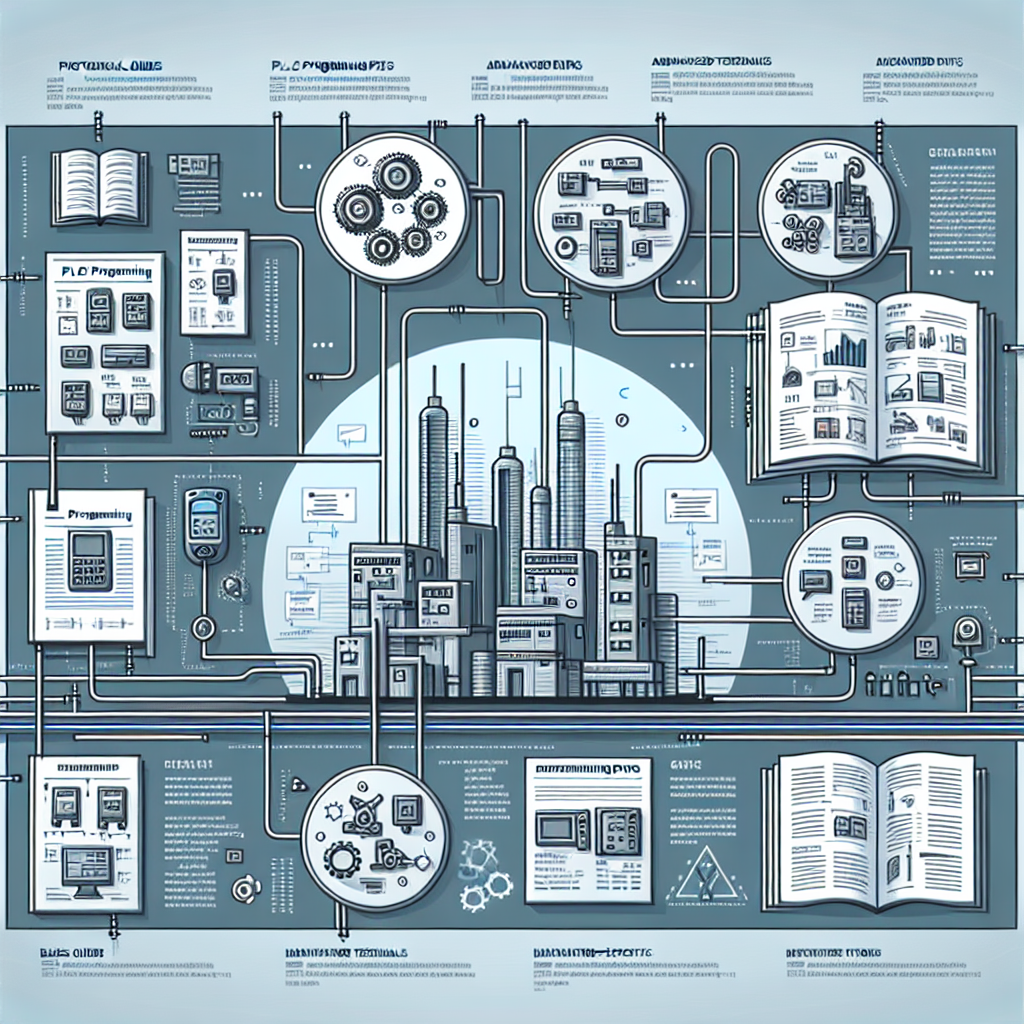
Types of PLC Programming PDFs
Not all PDFs are created equal, and that’s a good thing. You can find PLC Programming PDFs tailored for both beginners and seasoned pros. The variety ensures that regardless of your experience level, there’s something for you.
First off, we’ve got basic guides. These are perfect for engineers just starting out. They’ll walk you through the fundamentals, from understanding ladder logic to basic troubleshooting. Additionally, these guides often provide simple examples to get your feet wet.
Then we have the advanced techniques PDFs. These dig deeper into complex topics like advanced data handling, communication protocols, and integrating multiple PLC systems. For instance, you might find a detailed guide on configuring Profinet networks with Siemens S7-1500 series.
Moreover, manufacturer-specific manuals are a treasure trove of information. Because let’s face it, each brand has its quirks. PDFs specific to brands like Siemens or Allen Bradley provide insights that generic manuals just can’t match. They’ll give you the lowdown on model-specific best practices and troubleshooting tips.
Lastly, don’t overlook industry standards and safety manuals. These are often available in PDF form and are crucial for ensuring compliance with regulations and maintaining safety standards. They cover everything from electrical safety to programming best practices, ensuring your installations are both effective and safe.
Where to Find Reliable PLC Programming PDFs
So, where do you get your hands on these invaluable PDFs? Well, there are a few reliable sources you should know about. Official manufacturer websites are your best bet for the most accurate and up-to-date information. For instance, Siemens and Allen Bradley often offer comprehensive resources directly on their sites.
Furthermore, tapping into industry forums and communities like PLCTalk.net can be incredibly beneficial. Not only do these platforms give you access to a wealth of shared experiences, but they often link to useful PDFs that other engineers have found handy. It’s like having a team of experts at your disposal.
Additionally, educational platforms and online courses are goldmines for PDFs. Sites like Coursera or Udemy offer courses that often include downloadable resources. These are beneficial for structured learning and can provide a well-rounded understanding of PLC Programming.
In my experience, using official resources whenever possible is key for accuracy. However, the community forums bring in the real-world insights that official docs might miss. Combining these sources gives you both the foundational knowledge and the practical tips you’ll need.
How to Use PLC Programming PDFs Effectively
Having a stack of PDFs is one thing, but using them effectively is another story. One of the most effective techniques I’ve found is annotating and highlighting key sections. You can use tools like Adobe Acrobat or even free ones like PDF-XChange Editor to mark up your PDFs. This makes it easy to pick up right where you left off.
Moreover, cross-referencing with online resources can enrich your understanding. Say you’re reading about a specific Allen Bradley function block. A quick online search can reveal additional tutorials or forums discussing that particular feature in detail. This synergy between PDFs and online content enhances your learning.
Furthermore, building a personal knowledge base is a game-changer. Create a digital library where you organize PDFs by topic, manufacturer, or even project. I personally prefer using cloud services like Google Drive for easy access across devices. This way, whether I’m on the plant floor or traveling, my resources are always within reach.
Pro Tip: Always back up your most crucial PDFs. You never know when a hard drive might fail or you might need quick access on the go.
In conclusion, integrating PDF knowledge with hands-on experiences solidifies your understanding. Try implementing what you learn directly on your systems. In my experience, practical application is where the real learning happens. So, don’t just read—apply and experiment whenever you can.

Troubleshooting Tips from PLC Programming PDFs
Common Errors and Solutions
You know, even the best of us get tripped up by common PLC programming issues. In my experience, many errors boil down to simple oversights. PDFs often highlight common pitfalls like incorrect addressing or communication errors, saving you a world of pain later. A time I remember vividly was when a misplaced decimal in an Allen Bradley CompactLogix program caused all sorts of havoc with scaling. The PDF guide I had handy pinpointed this as a regular snag, and boom, problem solved!
Using Flowcharts and Diagrams
Here’s the thing, complex problems can sometimes look like a bowl of spaghetti in your head. That’s where flowcharts and diagrams from PLC programming PDFs come in. They’re like a GPS for your brain. You lay out the process visually, and suddenly, what seemed like a giant puzzle falls into place. Additionally, these diagrams often include practical examples and typical use cases. Trust me, when you’re knee-deep in code, a clear visual can be a lifesaver.
Parameter Settings and Configurations
In my experience, most VFD faults come down to parameter misconfiguration. Configuring parameters correctly is crucial, and PDFs are loaded with insights here. They’re like cheat sheets, listing out common parameter sets for different applications. For instance, if you’re setting up a Siemens S7-1200, specific PDFs detail each critical parameter, explaining its impact. This guidance can prevent a lot of head-scratching when things don’t go as planned.
Case Studies: Learning from Real-World Applications
Let me tell you, learning from real-world applications is invaluable. I remember a project involving a Mitsubishi Q-series PLC where the team faced a complex task of integrating multiple protocols. Luckily, we had a detailed PDF from a previous project. This document described a similar challenge and how it was conquered. The lessons we extracted were instrumental in our success. Moreover, the insights from the PDF helped us avoid mistakes they’d made, saving us time and resources.
Furthermore, these case studies usually provide a step-by-step account of the project lifecycle. They show how each stage was tackled, what worked, and what didn’t. Consequently, you gain not just theoretical knowledge but practical wisdom. So, next time you’re buried in a tough project, maybe dig up a case study PDF or two.
Frequently Asked Questions
Where can I find free PLC programming PDFs?
You can find free PLC programming PDFs on manufacturer websites like Siemens and Rockwell Automation, as well as forums like PLCs.net. Additionally, many educational sites offer free resources. However, verify the source before relying on the information.
How do I choose the right PDF for my skill level?
Look for PDFs that match your current expertise. If you’re a beginner, start with guides that cover basics. For advanced users, search for PDFs that dive into complex programming challenges. Most PDFs specify their intended audience, so keep an eye on that.
Are there interactive PDFs for PLC programming?
Yes, some PDFs offer interactive elements such as embedded videos or clickable diagrams. These can enhance your learning experience by allowing you to see the concepts in action. Check resources on sites like industrialgyan.com for such PDFs.
How often should I update my PLC programming knowledge?
Honestly, I think you should update your knowledge regularly. Technology evolves rapidly, and staying updated can make a big difference in your projects. Aim to review new PDFs or courses at least once a year.
Key Takeaways for Using PLC Programming PDFs
Here’s the bottom line: PLC programming PDFs are an incredible resource. They offer a wealth of knowledge at your fingertips, from troubleshooting tips to real-world case studies. To get the most out of them, use them as a supplement to your hands-on experience. Additionally, experiment with diagrams and flowcharts to simplify complex issues.
The real trick is to not get complacent. Keep learning and adapting your skills. The automation field is always evolving, and so should you. So go ahead, download that PDF, and dive into a new world of possibilities.
The way I see it, PLC programming PDFs are a gateway to mastering your craft. So, next time you’re sitting in the canteen, chai in hand, and facing a programming puzzle, remember there’s likely a PDF out there ready to help you solve it.
For more insights on PLC programming and other automation topics, check out industrialgyan.com. Keep pushing your boundaries, and don’t forget to share your own experiences with the community!

I am an electrical & automation engineer with extensive experience in Design, PLC programming, SCADA development, and IoT integration. I have a strong background in the industry, focusing on the Design & Development of Hardware, Software &Industry 4.0 technologies, and the integration of intelligent manufacturing systems.
I have a deep understanding of electrical principles and am proficient in various programming languages, including Ladder Logic, Structured Text, and Python. In addition, I have experience with various PLC, SCADA & IoT technologies and a track record of successful integration projects for various clients.