

Introduction: Why SCADA Systems Matter
If you’ve ever dealt with SCADA systems issues on the plant floor, you know how frustrating they can be. I remember my first encounter with a SCADA system at a beverage plant where a simple configuration mistake led to temporary chaos. The plant was running a critical batch, and the SCADA system decided to throw a tantrum just as we hit peak production. Fun times, right?
SCADA systems, or Supervisory Control and Data Acquisition systems, are the backbone of modern industrial automation. They allow operators to supervise processes, control equipment, and collect data in real-time, making them indispensable in industries ranging from oil and gas to manufacturing. These systems not only enhance efficiency but also improve safety and reduce downtime by providing critical insights and alarms.
In the world of industrial automation, SCADA systems offer a way to monitor and control remote processes with ease. Whether it’s monitoring a pipeline’s pressure or controlling the temperature in a chemical reactor, SCADA is there to keep things running smoothly. And when things go south, as they sometimes do, having a well-designed SCADA system can be your saving grace.
Basics of SCADA Systems
What is SCADA?
So, what exactly is a SCADA system? At its core, SCADA is a control system architecture that uses computers, networked data communications, and graphical user interfaces for high-level supervision of machines and processes. You can think of it as the eyes and ears of your plant, constantly watching over operations and reporting back to you.
Key Components of SCADA Systems
SCADA systems are composed of several key components. Understanding these will make your life much easier when troubleshooting or setting up a new system. Typically, a SCADA system includes Remote Terminal Units (RTUs), Programmable Logic Controllers (PLCs), and HMI software.
RTUs and PLCs: RTUs and PLCs are the workhorses of SCADA systems. They collect data from sensors and control actuators. PLCs, like the Siemens S7-1200 or Allen Bradley’s CompactLogix, are especially popular because of their flexibility and ease of use.
HMI Software: Human-Machine Interface (HMI) software is what you interact with. It provides graphical displays of your processes, alarms, and data trends. Popular choices include Ignition and Wonderware.
Communication Protocols: Communication is key. SCADA systems rely on protocols like Modbus and Profinet to ensure data flows seamlessly between devices. Trust me, nothing’s more frustrating than a communication error at 2 AM.
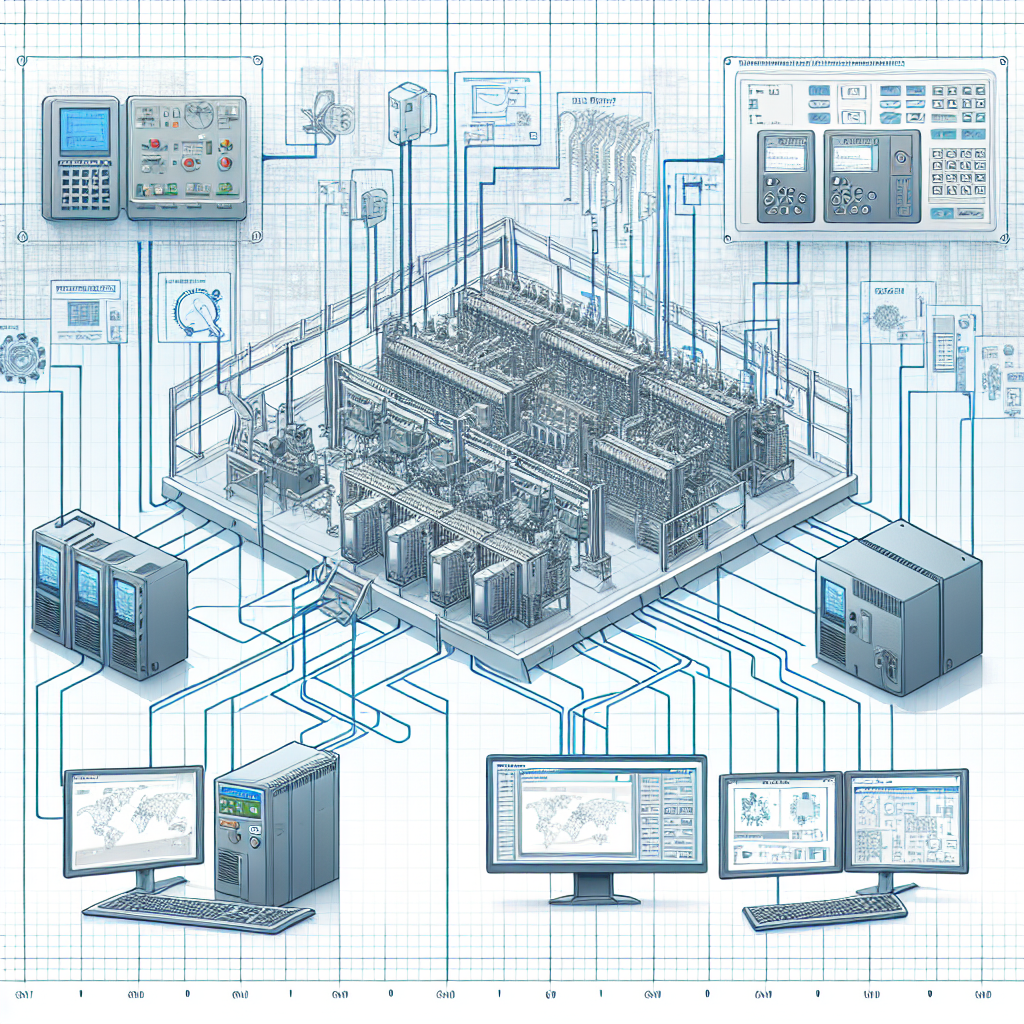
Pro Tip: Always ensure your communication cables, like the trusty Belden 9841, are properly shielded to prevent noise interference.
SCADA Software and Configuration
Popular SCADA Software Options
When it comes to SCADA software, there’s no shortage of options. Ignition by Inductive Automation and Wonderware by AVEVA are two big names you’ll come across. Each has its strengths, and the choice often comes down to specific project needs and budget constraints.
Initial Configuration Steps
Setting up a SCADA system isn’t as daunting as it sounds. First, you’ll want to configure your PLCs and RTUs to communicate with your SCADA software. This often involves setting IP addresses and defining communication protocols like Modbus TCP/IP or Profinet.
Next, configure your HMI screens. Keep them intuitive and user-friendly. Trust me, you’ll thank yourself later when you’re in a pinch. Use color coding for different alarm priorities, and ensure critical data is front and center.
Additionally, don’t overlook data logging. Properly configured, it provides invaluable insights into your processes. Set up logging for key parameters and ensure you’re backing up this data regularly.
Learning Resources for SCADA
Online Courses and Certifications
If you’re looking to up your SCADA game, online courses are a solid starting point. Platforms like Coursera and Udemy offer courses covering everything from beginner to advanced levels. Look for certifications from established institutions; they’ll add weight to your resume.
Books and Guides
For those who prefer the old-school method of learning, there are several excellent books on SCADA systems. “SCADA: Supervisory Control and Data Acquisition” by Stuart A. Boyer is a classic. It provides a comprehensive overview and is a must-read for any serious SCADA engineer.
Hands-on Workshops
I once attended a SCADA workshop hosted by Siemens. The hands-on experience was invaluable. You not only get to work with live systems but also learn from industry veterans. If you get the chance, don’t miss out on these workshops. They’re worth every penny.
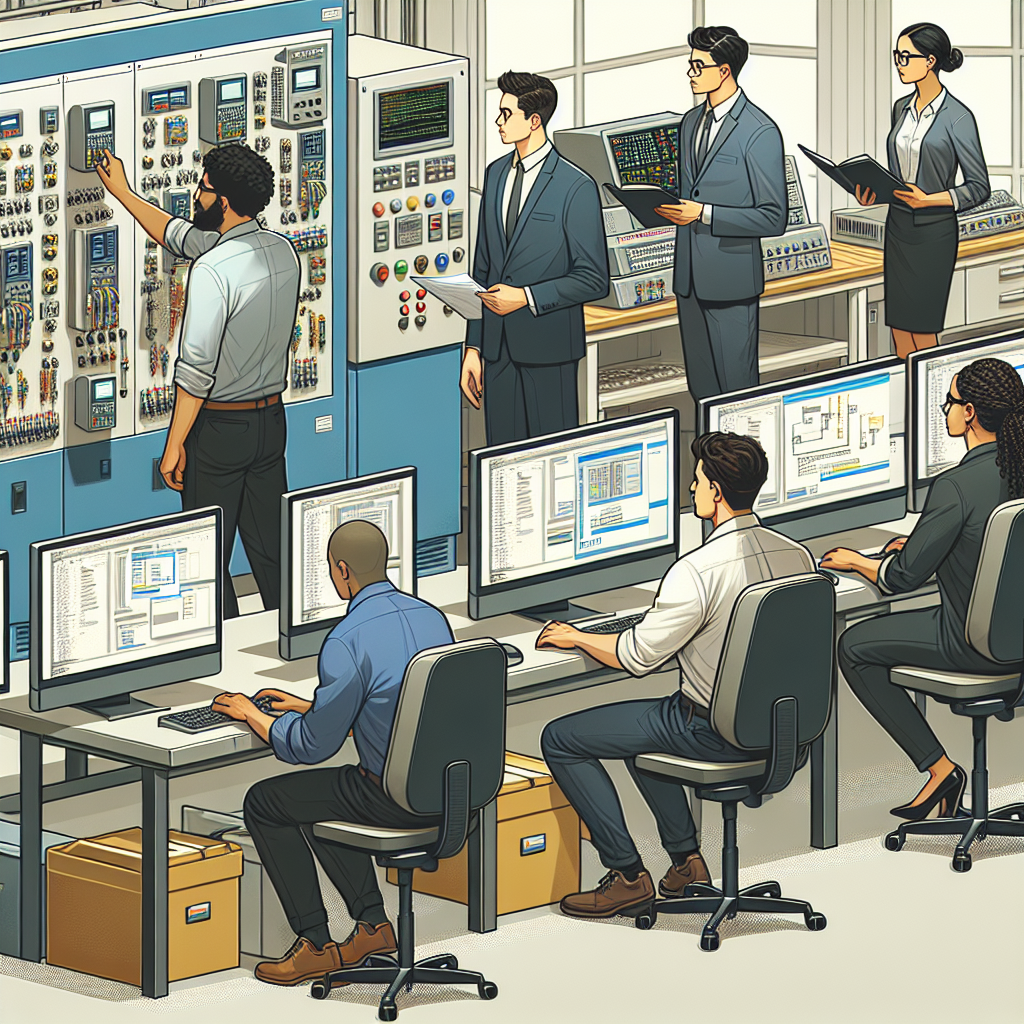
Furthermore, check local industry events for seminars and conferences. They offer networking opportunities and insights into the latest trends in SCADA technology. Keep an eye on industrialgyan.com for upcoming events and workshops.
SCADA systems are a vast and fascinating field. By leveraging the right resources and continuously learning, you’ll be well-equipped to tackle any challenge they throw your way. Stay curious, stay connected, and always be ready to learn something new.
Common SCADA System Challenges
Troubleshooting Tips
Here’s the thing: SCADA systems can be a bit tricky at times. You might face connectivity issues, especially in large networks where multiple systems are interfaced. I once spent half a day figuring out why a remote terminal unit (RTU) wasn’t communicating with the main server, only to find that a firmware update had reset the IP address. So, always check the basics first—cables, IP settings, and firmware versions.
Another tip is to monitor system logs closely. They often give you a heads-up on what’s really happening. If your SCADA is throwing an alarm, dig into the logs for clues. Sometimes, it’s just a simple configuration error, but other times, it might indicate a more serious underlying issue.
Pro Tip: When dealing with network issues, use a network analyzer tool to pinpoint where the data is getting stuck. It saves time and frustration.
Security Concerns
Now, let’s talk security. SCADA systems are increasingly becoming targets for cyber-attacks. Honestly, I think this is one area where you can’t be too careful. Always ensure your software is up-to-date and that you’re using strong passwords. Network segmentation is also a good practice—don’t leave your SCADA system exposed on the same network as your office systems.
Moreover, consider implementing intrusion detection systems and regular security audits. These steps can help you catch vulnerabilities before they become a problem. For more detailed security guidelines, companies like Rockwell Automation offer thorough resources.
Common Mistakes to Avoid
Even seasoned engineers make mistakes. Here are some common pitfalls to avoid when working with SCADA systems.
- Ignoring Firmware Updates: Don’t neglect firmware updates for your PLCs and RTUs. They often include crucial bug fixes and security patches. I once had a system glitch because of outdated firmware—a simple update solved it.
- Overlooking Backup Procedures: Always have backups for your SCADA configurations and data. I can’t stress this enough. A corrupted configuration file can bring operations to a halt.
- Improper Network Design: A poorly designed network can lead to latency issues. Use managed switches and proper network segmentation to avoid bottlenecks.
- Neglecting User Training: Ensure all operators are adequately trained on the system. An untrained operator can easily misinterpret alarms and data, leading to incorrect decisions.
- Skipping Security Measures: With cyber threats on the rise, never skip implementing robust security protocols. Regular audits can prevent unauthorized access.
Integrating SCADA with Other Systems
SCADA and PLC Integration
Here’s where it gets interesting: integrating SCADA systems with PLCs. Many of you are probably already doing this, but getting it right can make or break your system’s performance. Use reliable communication protocols like Profinet or Modbus TCP. In my experience, setting the right baud rate and ensuring proper termination of RS-485 networks is crucial. Trust me, it’ll save you a lot of headaches.
Additionally, consider using OPC UA for newer systems. It’s more robust and offers better security features. This integration allows SCADA systems to acquire real-time data from PLCs, making the entire process smoother and more efficient.
Connecting to IoT Devices
The real trick is connecting your SCADA to IoT devices. Why bother? Well, IoT can provide additional data points and predictive analytics that traditional systems might miss. For example, integrating sensors for temperature, vibration, or even energy consumption can provide deeper insights.
I’ve seen plants where IoT integrations helped predict equipment failures before they happened. It doesn’t just save time; it saves money. However, ensure your network can handle the extra load. Investing in good quality routers and switches is worth it. For successful integration stories, check out industrialgyan.com/IoT-integration.
Frequently Asked Questions
What are the prerequisites for learning SCADA?
Before diving into SCADA systems, you should have a solid understanding of basic automation principles, PLCs, and networking. Familiarity with programming languages like C++ or Python can also be beneficial. However, hands-on experience with industrial equipment will give you a leg up.
How long does it take to become proficient in SCADA?
Honestly, the timeframe varies. If you’re dedicated and have prior experience, you could become reasonably proficient in 3 to 6 months. However, mastering it to the point of troubleshooting complex issues might take a couple of years. Continuous learning is key.
Can SCADA systems be self-taught?
You bet. Plenty of resources are available online, including free webinars, forums, and tutorials. However, practical experience is invaluable. Consider joining projects or internships where you can apply what you’ve learned.
What’s the cost of setting up a small SCADA system?
Setting up a small SCADA system can range from $5,000 to $50,000 depending on the complexity and the number of monitored points. Initial costs include hardware, software licenses, and installation. Budget for ongoing maintenance too.
How do SCADA systems impact plant safety?
SCADA systems play a vital role in monitoring and controlling processes, thereby enhancing safety. They provide real-time alerts for critical conditions, allowing for quick responses. However, if not secured properly, they can become safety risks due to potential cyber threats.
What communication protocols are typically used in SCADA systems?
Common communication protocols in SCADA systems include Modbus, Profinet, and OPC UA. The choice depends on the specific requirements of your setup. Modbus is widely used due to its simplicity, while Profinet offers more robust performance for complex networks.
How frequently should I update SCADA software?
Regularly update your SCADA software to ensure you’re running the latest version with all security patches. It’s advisable to check for updates quarterly. Keeping your software up-to-date minimizes vulnerabilities and improves system stability.
Is cloud integration possible with SCADA systems?
Yes, cloud integration is becoming increasingly common with SCADA systems. It allows for remote monitoring and data analytics. However, ensure you have secure connections and proper data encryption to protect sensitive information.
Key Takeaways for Learning SCADA
So, you’re ready to master SCADA systems, are you? Start with understanding the basic components: RTUs, PLCs, and HMI software. Then dive into the software configuration aspect—it’s where the real magic happens.
The importance of practical experience can’t be overstated. You can read all the manuals you want, but until you’ve configured a system or solved a problem at 2 AM, you haven’t really learned SCADA. Participate in real projects, even if they’re small.
Moreover, keep up with industry trends. Technology in this field evolves rapidly, and staying updated could keep you ahead of the curve. Join professional forums, attend webinars, and network with other professionals in the industry.
Finally, if you’re serious about SCADA, consider specialized certifications. They not only enhance your knowledge but also make you more attractive to employers. Remember, this field is as much about continuous learning as it is about technical skills.
In conclusion, mastering SCADA systems is a journey—one filled with challenges, but also immense opportunities. Dive in, get your hands dirty, and don’t hesitate to reach out to fellow engineers for advice. If you’re looking for more resources or have specific questions, check out industrialgyan.com for more insights. Happy learning!

I am an electrical & automation engineer with extensive experience in Design, PLC programming, SCADA development, and IoT integration. I have a strong background in the industry, focusing on the Design & Development of Hardware, Software &Industry 4.0 technologies, and the integration of intelligent manufacturing systems.
I have a deep understanding of electrical principles and am proficient in various programming languages, including Ladder Logic, Structured Text, and Python. In addition, I have experience with various PLC, SCADA & IoT technologies and a track record of successful integration projects for various clients.