

Introduction: Why Compare PLC and Software?
If you’ve ever dealt with PLC vs Software issues on the plant floor, you know how frustrating they can be. I remember one chaotic night shift where we had a production line down due to a PLC fault. We were scrambling to decide if software solutions could offer a quicker fix. In the end, it wasn’t just about speed—it was also about integration and long-term benefits.
So why is this comparison crucial for us automation engineers? Well, the choice between PLC and software isn’t just a technical decision. It impacts cost, reliability, and future scalability. When you mess it up, you’re not just wasting time; you’re risking the whole operation. That’s why understanding both technologies deeply can make all the difference.
When I first faced the dilemma of choosing between PLCs and software, I was knee-deep in troubleshooting a bottleneck in our packaging line. The plant manager wanted a quick fix, but I knew we needed a solution that’d stand the test of time. That experience taught me the importance of weighing the pros and cons of PLC vs Software. Let’s dive into the nuts and bolts of each.
Understanding PLCs: The Hardware Perspective
What is a PLC?
So, what exactly is a PLC? A Programmable Logic Controller (PLC) is essentially a ruggedized computer used for automation of industrial processes. You’ve got your CPU, input/output modules, and a power supply all wrapped up in one chassis. You know, those little boxes that control everything from conveyor belts to entire assembly lines? That’s a PLC for you.
Take the Siemens S7-1200, for instance. This guy comes with a variety of modules and features that can fit into just about any application. These aren’t just some fancy microcontrollers; they’re built to withstand harsh industrial environments—heat, moisture, and even electrical noise.
Advantages of Using PLCs
The beauty of PLCs is their robustness and real-time operation capabilities. When you’re on the plant floor, you need something that won’t crash or lag. PLCs excel in this department, offering reliable performance even when things get messy. Furthermore, they can handle real-time processing, which is crucial for applications where timing is everything.
Pro Tip: In my experience, most VFD faults come down to parameter misconfiguration. Double-check those settings!
Moreover, PLCs like the Allen Bradley CompactLogix series have built-in diagnostics that can make troubleshooting a breeze. These diagnostics can alert you to issues in real-time, saving you from potential downtime.
Limitations of PLCs
However, PLCs come with their own set of limitations. Cost is a big one. Those modules and licenses can add up quickly, especially if you’re scaling up. Moreover, PLCs can be a bit rigid when it comes to advanced data handling and reporting. If you’re all about big data and analytics, relying solely on PLCs can make life difficult.
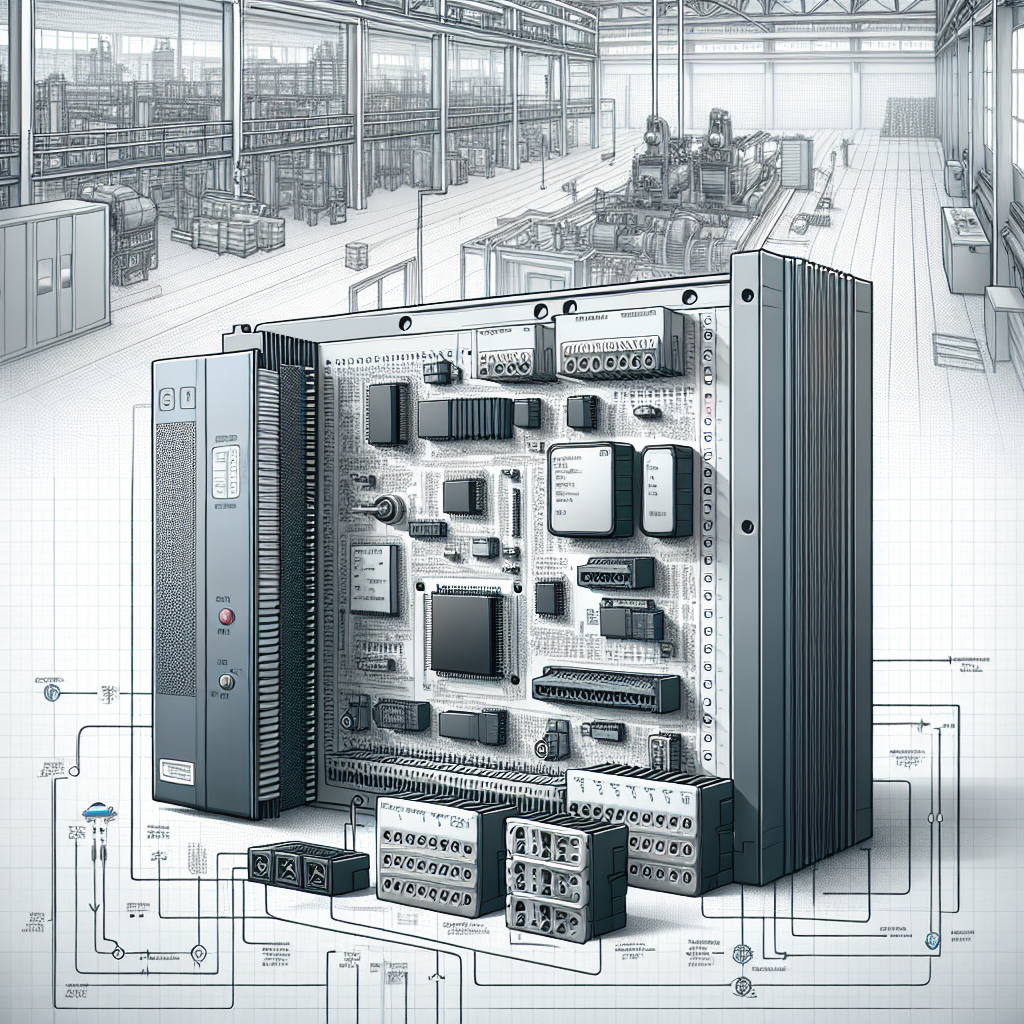
Additionally, scalability can be an issue with PLCs. Adding new functionalities often requires additional hardware and reprogramming, which isn’t always straightforward. So, while PLCs are reliable, they might not be the most versatile tool in your arsenal.
Software Solutions: The Flexible Approach
What is Industrial Software?
Now, let’s talk about industrial software. Unlike PLCs, industrial software offers a more flexible approach to automation. Think of it as the Swiss Army knife of the automation world. It can adapt, integrate, and scale as needed, giving you a lot more room to play around with.
Industrial software solutions often run on standard PCs or servers and offer various functionalities, like data analysis, visualization, and even complex algorithm processing. Software like Rockwell’s FactoryTalk View or Siemens’ WinCC is designed to integrate seamlessly with existing systems, allowing you to get the best of both worlds.
Benefits of Software in Automation
One of the standout benefits of using software in automation is flexibility. You can easily modify software applications to meet changing demands without the need for additional hardware. Moreover, software solutions are typically easier to integrate with other IT systems, providing a streamlined workflow.
From my experience: Software solutions shine when you need to integrate with ERP systems or cloud-based analytics platforms. It’s like having a control room in your pocket!
Additionally, software solutions like Ignition by Inductive Automation offer limitless licensing, which means you aren’t constrained by the number of clients or screens. This can significantly reduce costs as your system grows.
Challenges with Software Implementation
On the flip side, software isn’t without its own challenges. Cybersecurity is a big concern. An open network can be a gateway for vulnerabilities, and trust me, you don’t want to deal with a cybersecurity breach during your shift. Moreover, software solutions can sometimes lack the dependability of their hardware counterparts, especially in harsh industrial conditions.

Additionally, you may encounter challenges in dependability when software integrates with older hardware. Sometimes, getting everything to communicate smoothly feels like trying to fit a square peg in a round hole. Despite these challenges, the flexibility and integration capabilities often make software a compelling choice.
Comparing PLCs and Software: Key Differences
Performance and Speed
So, how do PLCs and software stack up against each other when it comes to performance and speed? PLCs are kings of real-time processing. They’re designed for tasks that require immediate responses. On the other hand, software solutions excel in handling complex computations and data-heavy tasks that PLCs might struggle with.
However, the real trick is knowing when to use one over the other. If you’re in a setting where immediate action is vital, like emergency shutdowns, PLCs are your go-to. But for tasks that require heavy data processing, software takes the cake. In my experience, most setups benefit from a hybrid approach.
Cost and Scalability
When it comes to cost, PLCs can get pricey, especially if your setup requires multiple units or advanced features. Software can be a more cost-effective solution in the long run, thanks to its scalability. You can add functionalities with a few clicks rather than replacing or adding hardware.
Furthermore, software solutions offer more flexibility when scaling up operations. If your plant’s growth is on the horizon, investing in a robust software system might save you from future headaches.
Flexibility and Integration
Finally, let’s talk about flexibility and integration. PLCs are great for doing what they’re built for, but when it comes to integrating with external systems like ERP or MES, they can’t compete with software. Software solutions provide a seamless way to connect different systems and extract valuable insights from your data.
Moreover, integrating software with existing IT infrastructure is generally smoother, saving you time and effort in the long run. The way I see it, striking a balance between PLCs and software solutions offers the best of both worlds. By leveraging the strengths of each, you can build a more effective and adaptable automation solution.
Curious about how these solutions are changing the industry? Check out more insights on Industrial Gyan for detailed articles on automation trends and technologies.
Real-World Applications: When to Use Which?
Now, here’s where we get into the weeds with real-world scenarios. In industrial automation, deciding between PLCs and software can be the difference between smooth operations and constant headaches.
Scenario 1: High-Speed Manufacturing
In high-speed manufacturing, milliseconds matter. You need something that won’t let you down when the line’s running at full throttle. This is where PLCs, like the Siemens S7-1500, shine. Their ability to handle fast I/O and real-time processing is unmatched. I once commissioned a bottling plant where we used PLCs to manage conveyor speeds, bottle filling, and capping — all in perfect sync. Any lag would’ve meant bottles tumbling down like dominos.
Scenario 2: Complex Data Processing
However, when you’re dealing with complex data processing, software solutions often take the cake. If you’re analyzing production data to optimize efficiency or predict maintenance, you’ll want a robust software platform. For instance, systems built on platforms like Ignition or Wonderware handle such tasks excellently. They can crunch massive datasets and provide actionable insights that a PLC simply can’t manage by itself.
Scenario 3: Remote Monitoring and Control
Let’s talk about remote monitoring and control. Here, software solutions generally have the upper hand. With cloud-based systems, you can monitor and control operations from anywhere. A client of mine switched from PLC-only systems to a hybrid approach for their solar farms. Remote software allowed them to monitor performance across continents, something inconceivable with standalone PLCs.
Funny enough, I once switched from a purely PLC-based setup to a software-driven solution in a facility managing HVAC systems. It was a game changer in terms of flexibility and data insights. The scalability and analytics capabilities of software solutions often make them the go-to choice in such scenarios.
Common Mistakes to Avoid
In my 15 years in automation, I’ve learned a thing or two about what not to do. Here are some common mistakes to avoid:
- Ignoring Compatibility: Not all PLCs and software are made to play well together. Check compatibility before investing.
- Overlooking Security: Don’t skimp on cybersecurity. Ensure your software solutions have robust security measures.
- Neglecting Scalability: Always plan for future growth. Choose solutions that can evolve with your needs.
- Underestimating Training Needs: Your team needs to know how to use these systems. Invest in proper training to avoid operational hiccups.
- Forgetting Maintenance: Regular maintenance can prevent costly downtime. Don’t wait until something breaks to take action.
Making the Right Choice: Factors to Consider
So, how do you decide? There are a few factors to mull over.
Budget Constraints
First up, budget. Let’s face it, money talks. PLCs can be more expensive upfront, especially when you factor in the cost of hardware, installation, and maintenance. On the flip side, software solutions might seem cheaper, but licensing fees and server costs can add up fast. It’s crucial to weigh these costs against your project’s needs and long-term goals.
Technical Requirements
Technical needs are another critical consideration. You gotta understand what your system demands. Does your setup require fast, reliable logic processing? Go for a PLC. Need extensive data handling and analysis? Software solutions might be your best bet. It’s all about matching your system’s needs to the right tool.
Future Expansion Plans
And don’t ignore future growth. Technology evolves, and so should your systems. Consider how easily each option can scale. PLCs excel in modular expansions, but software solutions provide flexibility and adaptability. Think about where you want to be in five years, and choose accordingly.
Frequently Asked Questions
Can software completely replace PLCs?
Not entirely. PLCs are excellent for real-time control and are often more reliable for critical processes. However, software can complement PLCs by handling complex data analysis and remote monitoring. It’s about finding the right balance for your needs.
What are the security concerns with software solutions?
Security is a biggie. Software solutions can be vulnerable to cyber threats, especially when connected to the internet. Therefore, robust security measures, like firewalls and encryption, are essential to protect your system from breaches.
How do you integrate PLCs with software systems?
Integration is crucial for hybrid systems. Using protocols like OPC UA or MQTT can facilitate communication between PLCs and software. I recommend thoroughly testing these integrations to ensure seamless data flow and system reliability.
Are there hybrid solutions available?
Absolutely. Hybrid systems combine the best of both worlds. They use PLCs for real-time processing and software for data analysis and remote access. Many modern industrial setups are moving towards such integrated solutions for enhanced efficiency.
Which is more cost-effective: PLC or software?
Cost-effectiveness depends on your specific application. PLCs might have a higher initial cost but offer robustness and reliability. Software can be more affordable initially but may incur ongoing costs through licenses and maintenance. Evaluate based on long-term needs and ROI.
Key Takeaways for Choosing Between PLC and Software
Here’s the lowdown. When choosing between PLC vs Software, consider speed for high-demand processes and data for detailed analytics. Understand your budget, technical needs, and future goals. Remember, hybrid solutions can offer the best of both worlds, providing versatility and efficiency.
Ultimately, the decision isn’t one-size-fits-all. Weigh your specific needs and constraints. Trust me, a little planning now can save you a ton of headaches later. Dive deeper into more resources on industrialgyan.com, and check out the latest innovations from Siemens for more insights.
Honestly, I think the real trick is staying informed and adaptable. So, what’s your take? Share your experiences or questions in the comments below. Let’s learn from each other.

I am an electrical & automation engineer with extensive experience in Design, PLC programming, SCADA development, and IoT integration. I have a strong background in the industry, focusing on the Design & Development of Hardware, Software &Industry 4.0 technologies, and the integration of intelligent manufacturing systems.
I have a deep understanding of electrical principles and am proficient in various programming languages, including Ladder Logic, Structured Text, and Python. In addition, I have experience with various PLC, SCADA & IoT technologies and a track record of successful integration projects for various clients.